
Maasai Conservation Foundation (MCF)
About Us
Who We Are
Founded in January 2012, the Maasai Conservation Foundation is registered as a charitable, non-governmental organization (NGO) with the NGO’s Co-ordination Board in the United Republic of Tanzania with Reg no OONGO/R/5204.
We are mainly a community-based non-profit organization NGO based in Monduli of Tanzania. The organization’s humanitarian and relief work is aimed at building schools, water systems, providing academic scholarship to disadvantaged children, and supporting sustainable economic development projects in the Maasai region.
Commitment.
The Maasai Conservation Foundation is driven by the commitment of community building, economic development and empowerment. The organization believes in the philosophy of participatory approach where programs and projects are design and implemented by the villagers. Together, we are bringing a constructive change to our people.
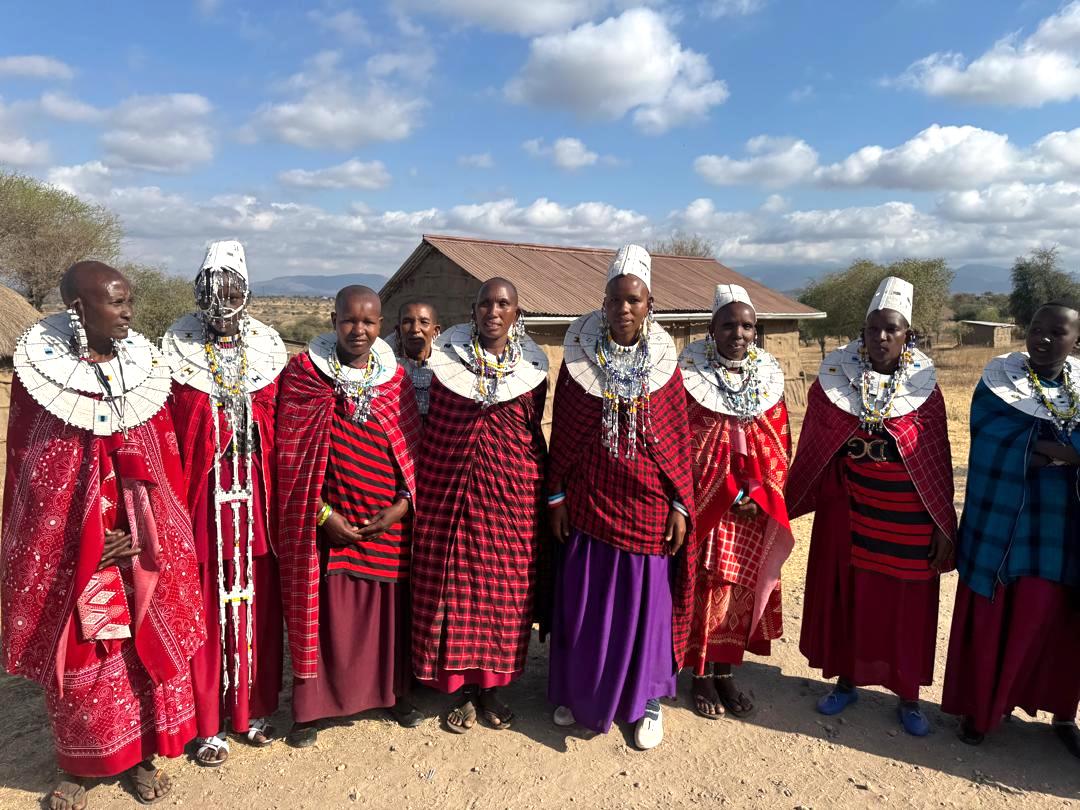
MCF Vision
Connecting people, communities, and ideas for change.
MCF Mission
To develop and implement sustainable community development projects that will reduce poverty for Maasai people while protecting and preserving their unique culture.
Sustainable Development Goals
- Building and maintaining Maasai educational institutions for children and youth.
- Developing a Maasai Leadership Centre for basic skills and trades training for adults.
- Developing a community lending library.
- Establishment of a Maasai Women’s Co-operative that maximizes existing skills and
resources. - Establishment of a poultry farm.
- Building a small clinic on Maasailand
- Promoting public health by disseminating information on safe sanitation practices.
HIV/AIDS, sexual and reproductive health, malaria, and other relevant health topics. - Improving access to, and promoting the use of health services.
The MCF supports sustainable development projects in which:
- Maasai communities are willing to invest their time and skills, and provide any resources they can in order to make a project succeed,
- Projects are accomplished in an environmentally and culturally sensitive way, while promoting conservation and the use of natural resources,
- There is a benefit to the broader community, and
- The project outcome can be sustained beyond the duration of the MCF involvement.

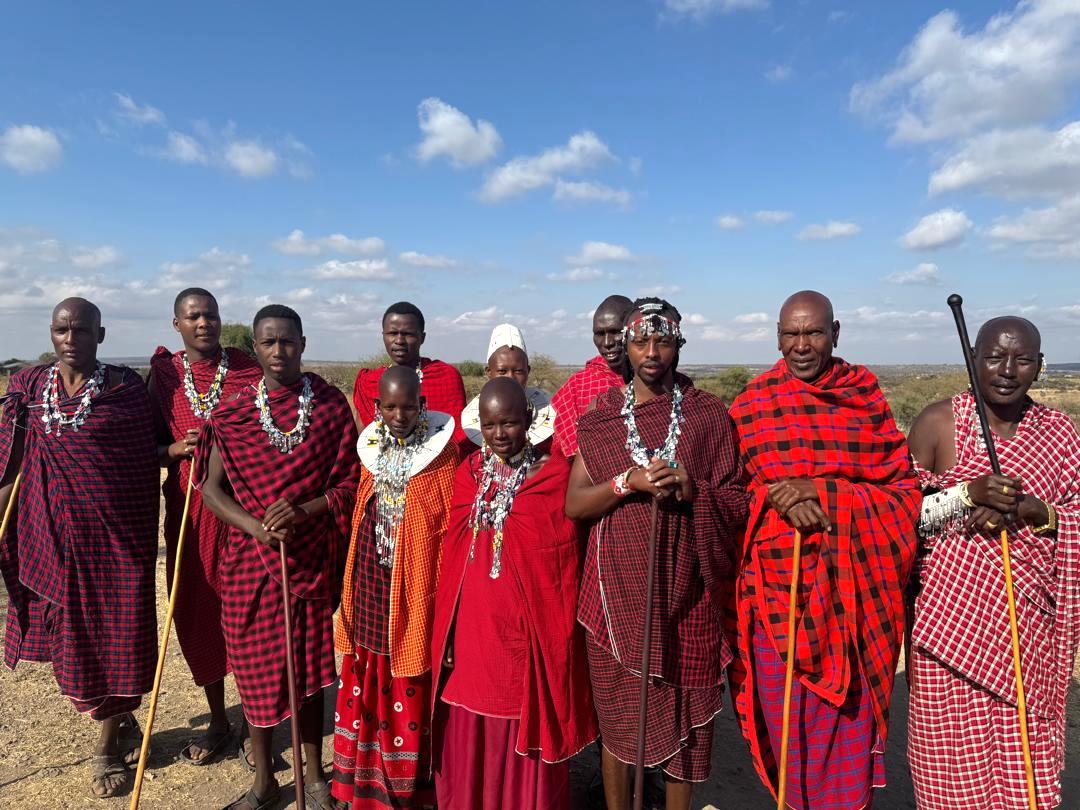
MCF Leadership
Makuyuni Maasai council of elders is a governing and guiding body within the Maasai community, composed of respected older men who have passed the warrior stage and are responsible for making community decisions, resolving disputes, and managing collective resources like grazing lands and water.
These councils are crucial in a society that traditionally relies on oral traditions and collective wisdom for leadership and governance, ensuring the continuity of culture and the well-being of the community.
Key Characteristics and Functions
Decision-Making:
In the absence of written laws or a centralized government, elders’ councils guide decisions on community matters, including resource management, social activities, and conflict resolution.
Mediation and Judging:
Elders serve as impartial judges and mediators, helping to settle disputes and maintain social harmony within the community.
Leadership and Guidance:
After completing their warrior (Moran) phase, men transition to the status of elders and become heads of their communities, providing wisdom and experience.
Cultural Preservation
The councils play a vital role in preserving Maasai traditions, culture, and social structures through mentorship and shared decision-making.
Collective Governance:
The council’s authority stems from the collective wisdom and consensus of the community’s senior members, acting as a vital form of governance.
In essence
The Maasai council of elders embodies the traditional leadership structure of the Maasai people, relying on age, experience, and communal wisdom to guide and govern their society.